Squats are a foundational strength exercise focused on the lower body, and no matter where you are in your fitness journey, there is a way to incorporate squats into your exercise routine.
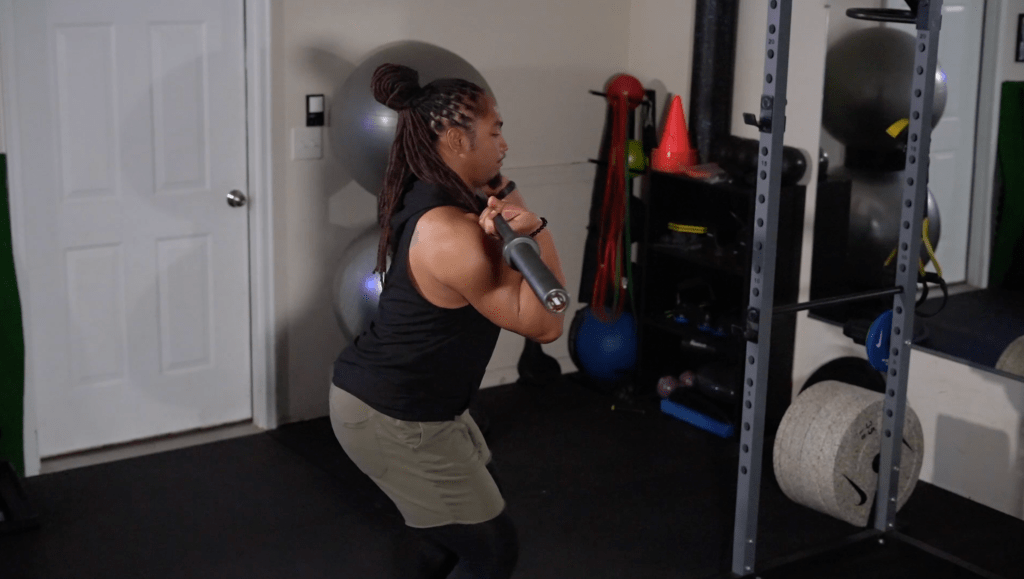
This article is focused on the typical barbell squat, but there are various variations you can do, including body weight squats, dumbbell squats, exercise band squats, and countless others.
If you’re new to weightlifting, are recovering from an injury, or have other concerns, you should consult a doctor or professional before adding squats to your workouts, especially before adding weight.
Squats primarily work the quadriceps, glutes, and hamstrings. Using a wide stance, you can increase the work on the glutes and inner thighs (or adductors). Adductors are some of the secondary muscles that are worked during a squat, along with the erector spinae in the lower back, core muscles for stabilization, calves, and hip flexors.
How to perform a barbell squat
Setting up:
- Put the weights on the barbell using a squat rack. The barbell should be at a height that is near your upper chest.
- Step under the bar and position yourself so the bar is on your traps. Grip the bar so that your hands are slightly wider than your shoulders.
- Before lifting the bar off the rack, ensure your upper back and core are engaged.
Stance:
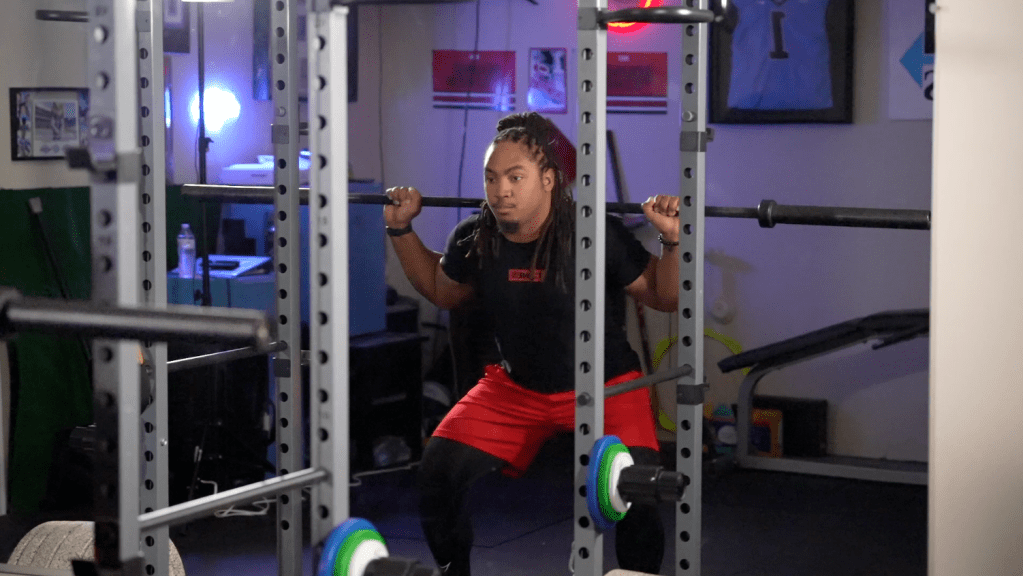
- With the bar on your traps, your feet should be wider than shoulder-width apart and toes slightly turned outside.
- Keep the chest out and the core braced, keeping your spine neutral.
Descending:
- Take a deep breath and engage your core before beginning the descent.
- Push your hips back and knees out when ready to go into the squat. Your knees should track in line with the toes.
- The goal is to descend until your thighs are parallel to the ground.
- Make sure your weight is driving through your heels and not your toes.
Ascending:
- To return to the top, drive through your heels, push the knees out, and keep your chest up as you rise.
- Fully extend the hips and knees at the top while exhaling.
Benefits of barbell squats
There are many reasons you should consider adding squats to your workout routine.
The squatting mechanics help with everyday movements like sitting, standing, and lifting objects. They can also help support posture and healthy joints.
Like other weightlifting exercises, squatting can also increase bone density as someone ages and helps prevent age-related muscle loss. These benefits can help improve and sustain mobility and balance throughout life.
Athletes who perform squats will see their lower-body strength and explosiveness improve. Squats will also help with jumping, sprinting, and cutting.
Avoid injuries related to squats
Uno’s Fitness strongly recommends working with a professional when introducing new exercises like squats, especially before adding weight to the movement. Improper mechanics and form can result in injury, and adding too much weight too fast can make that more likely. Before adding weight, make sure you have form and mechanics mastered.
Be sure you are not looking up or down, keeping a neutral spinal alignment instead. You also want to ensure your chest is out so your back is not rounded. These common mistakes can lead to spinal injury.
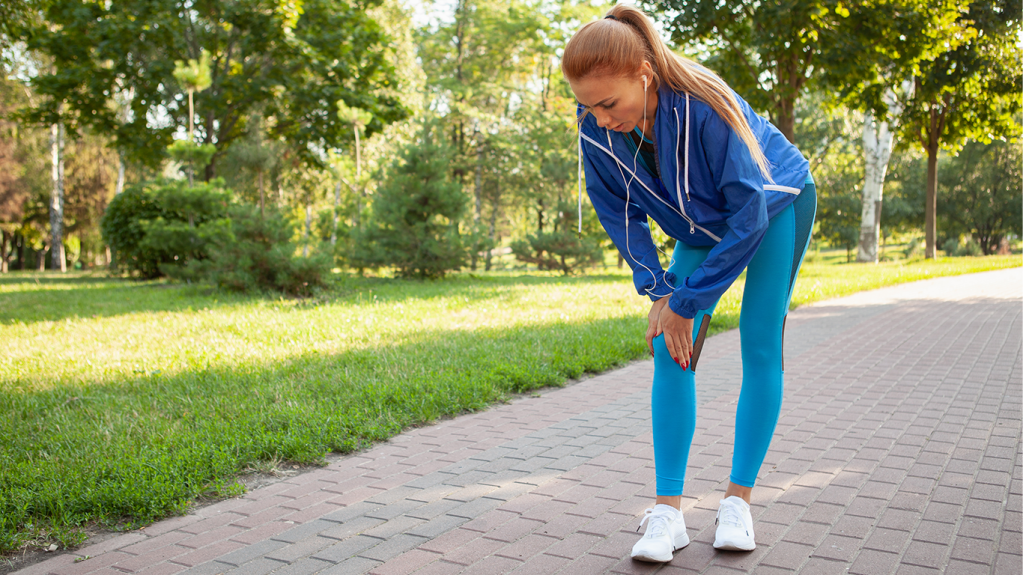
It is also essential to pay close attention to your legs. You could stress your MCL, ACL, or meniscus if your knees collapse inwards. If your heels are coming off the floor, you must adjust your form or improve your hip and ankle mobility.
You should always go through a dynamic warm-up when lifting to prevent injuries. Every session at Uno’s Fitness begins with a dynamic warm-up. You should stop and assess your form and mechanics whenever you feel pain while performing squats. Using a spotter can help, which is one benefit of working out with a certified personal trainer at Uno’s Fitness.
Let Uno’s Fitness help you
Whether you’re an experienced lifter or new to working out, we can help you identify goals and create a customized plan to reach them. If you want to add squats to your workout routine, contact Uon’s Fitness today, and we’ll set up a free consultation.





Leave a comment