Your knees are critical to your ability to move throughout life, but are you doing anything to keep them strong, stable, and injury-free?
Everyone puts stress on their knees each day. Whether walking, standing, lifting, squatting, climbing stairs, riding a bike, running, or performing countless other tasks, your knees are taking an impact.
Strengthening your knees makes them more stable, which reduces the risk of injury and helps prevent pain. Strong knees help you stay independent and mobile as you age, and they support athletic performance.
We’ve already gone over some knee exercises that can help you recover from an injury, and those exercises are a good place to start if you’re new to exercise. But once you master those, it’s time to up your game. This article focuses on advanced knee exercises to help you strengthen your knees for life.
Prevent injuries to your knees
Knees are responsible for absorbing shock and stabilizing the body during movement. Strong knees protect the cartilage and ligaments in the joint.
Ligament tears, like an ACL or MCL tear, meniscus damage, pain in the knee cap (the patella), and tendonitis are some of the most common knee injuries.
Strengthening your knee can help prevent these injuries by aligning the joint, reducing stress on ligaments and tendons, and eliminating muscle imbalances.
None of these knee strengthening exercises are strenuous, but doing them consistently will help strengthen your knee joint. Consistency is more important than intensity in this case.
Advanced exercises to strengthen your knees
Be sure you go through a dynamic warm-up before you start these exercises. If you’re recovering from an injury or have a history of knee injuries, consult your doctor before beginning new exercises.
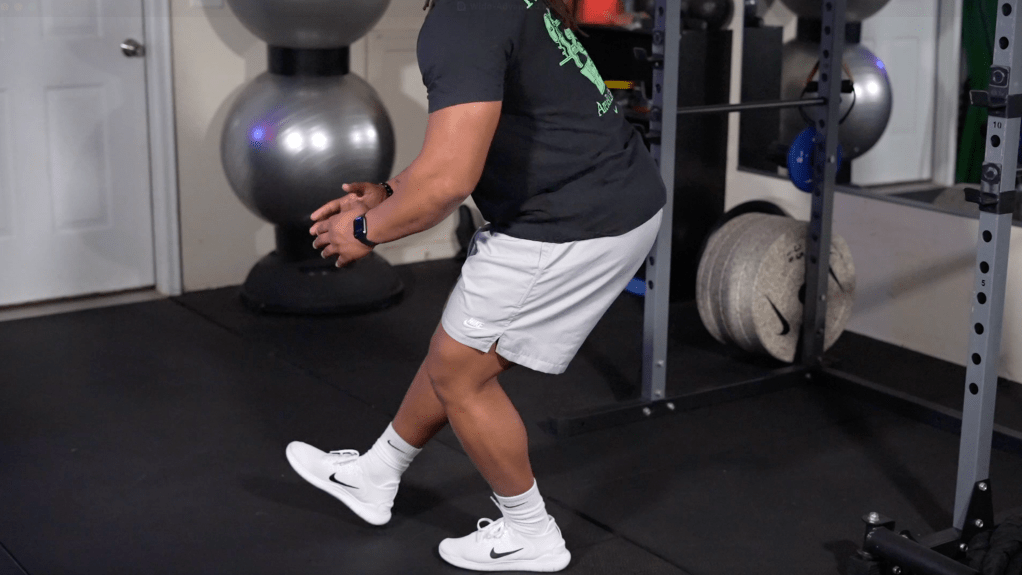
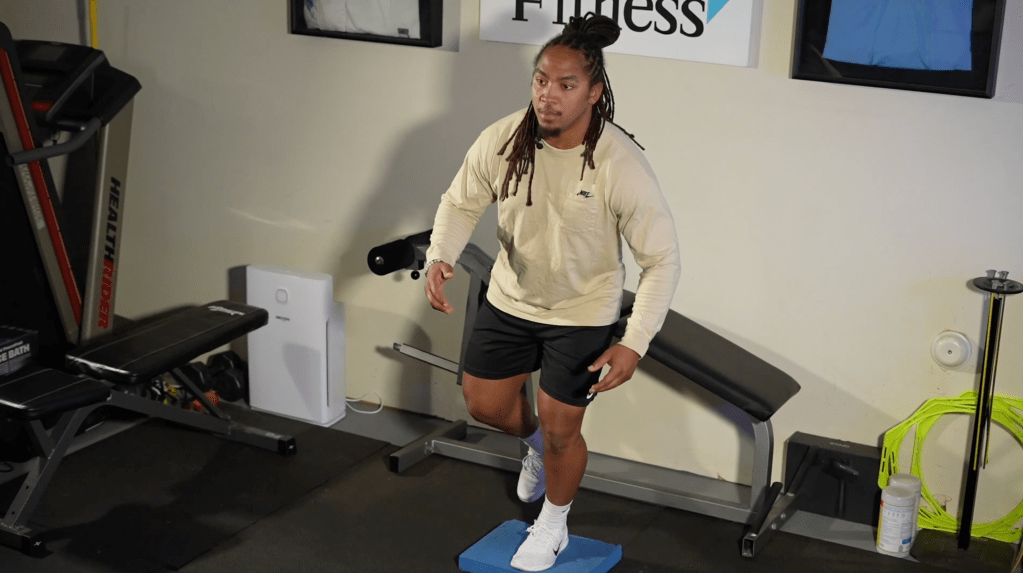
Pistol Squat
Purpose: This exercise helps stabilize your knee and increase quad strength.
Directions:
- Stand on one leg with the other leg slightly out in front of you and the foot off the ground.
- Using the leg planted on the ground, do a squat. Push your knee forward over your toe.
- Return to the starting position. Keep your off leg off the ground.
Notes: Make sure your knee tracks over your toe when doing the squat. Push your weight through your heel.
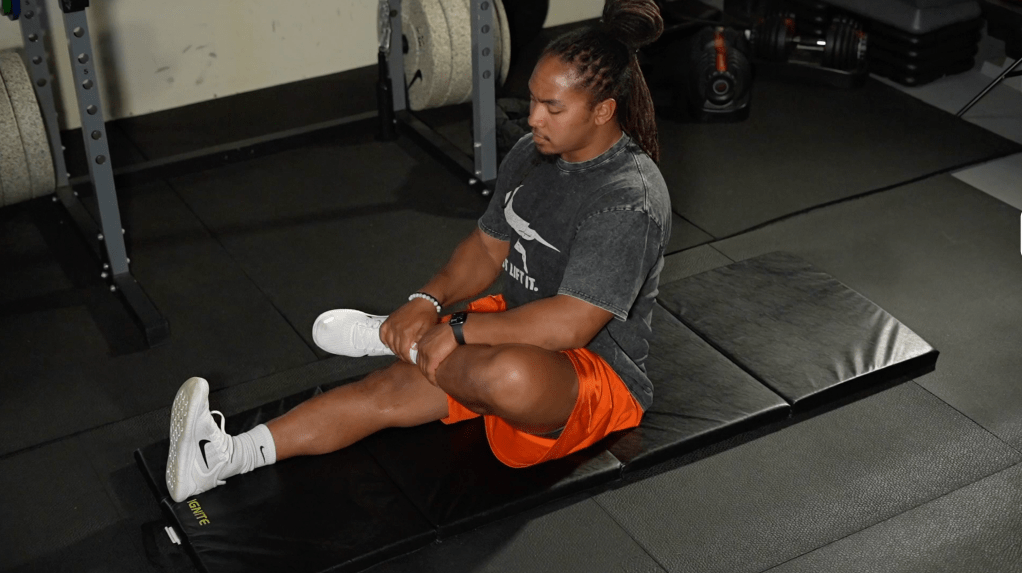
Seated Pistol Squat
Purpose: This is a variation of the pistol squat that will help you build up to doing a standing pistol squat if you need to work on your knee and quad strength first.
Directions:
- Take a seat with one knee bent and the other outstretched but with the heel on the ground.
- The leg that is bent will be the leg doing the work during the exercise. Make sure the knee is over the ankle or midfoot area.
- Lean forward and use the quad to stand up.
- Return to your starting position and repeat.
Notes: As you gain strength, try keeping the foot of the off leg off the ground. Be sure you are controlling the movement on the way up and down.
Leg Extensions
Purpose: This exercise strengthens the quad.
Directions:
- Using a leg extension machine, add the appropriate amount of weight.
- Extend the knees out and back in.
- Make sure the weight is controlled on the way up and down.
Notes: Don’t add too much weight too fast. If you’re struggling to control the weight, you likely need to reduce it. You can also do these with one leg at a time to perform single leg extensions, but be sure you adjust the weight accordingly.
Leg Extensions with Negative
Purpose: This is a tougher variation of basic leg extensions that requires you to control the eccentric part of the movement, which is when the weight is coming back down.
Directions:
- Do the same movements as a leg extension, but on your way back down you want to slowly return to the starting position with the downward movement lasting about three seconds.
- Return to the top at normal speed.
Notes: Control the weight and perform the movement in a smooth fashion. You don’t want to stop at points on the way down. You can also do these with one leg at a time to perform single leg extensions with a negative, but be sure you adjust the weight accordingly.
Things you should know
Before doing any strength exercises, check with your doctor to make sure it’s safe for you, especially if you are recovering from a knee injury or have a history of knee injuries.
Be sure to start your routine with a dynamic warm-up. As you go through the exercises, focus on your control and range of motion.
Don’t wait for an injury or knee pain before you start strengthening the joint. Preventive maintenance can help ensure you stay mobile for a long time.
Uno’s Fitness can help
Whether you’re nursing an injury, recovering from surgery, trying to reduce pain, or just want to strengthen your knees, we can help you at Uno’s Fitness.
Reach out to us today to set up your free consultation, and we’ll put together a custom plan to address your needs.





Leave a comment