If you’ve ever dealt with nagging lower back pain, stiffness in your hips, or even numbness or tingling down the leg, a tight piriformis might be to blame. This deep muscle plays a big role in hip movement and spinal alignment, but when it gets tight or overworked, it can cause a lot of discomfort.
Let’s break down what the piriformis does, why it gets tight, what symptoms to watch for—and most importantly—how to release that tension using tools like a foam roller or lacrosse ball.
What is the Piriformis?
The piriformis is a small, flat muscle located deep in your gluteal region. It originates on the anterior surface of the sacrum (the base of your spine) and inserts on the greater trochanter of the femur (the outer part of your thigh bone).
Despite its small size, it plays a big role in your lower body mechanics. The piriformis is primarily responsible for:
- External rotation of the hip (turning your leg outward)
- Stabilizing the hip joint
- Assisting in lifting and rotating the thigh away from the body
When healthy and functioning well, the piriformis supports smooth, strong hip movement. But when it becomes tight or inflamed, it can press against the nearby sciatic nerve, leading to a condition known as piriformis syndrome.
Why Does the Piriformis Get Tight?
Several common causes can lead to a tight or overactive piriformis:
- Prolonged sitting (desk jobs, commuting, etc.)
- Muscle imbalances in the hips and glutes
- Overuse from activities like running, squatting, or cycling
- Weak gluteal muscles that shift more work to the piriformis
- Improper warm-up or mobility routines before physical activity
When this muscle tightens up, it doesn’t just affect your hips—it can compromise your posture, strain your lower back, and limit overall athletic performance.
Symptoms of a Tight Piriformis
Wondering if your piriformis is the problem? Here are some telltale signs:
- Dull ache or sharp pain deep in the glutes
- Lower back pain that may feel like tightness or tension
- Pain radiating down the leg (especially if the sciatic nerve is irritated)
- Tingling or numbness in the buttocks or back of the leg
- Reduced hip mobility, especially in rotation and flexion
How to Release Piriformis Tightness
To help relieve tightness and pain in the piriformis, we recommend using self-myofascial release (SMR) techniques with either a foam roller or a lacrosse ball.
Both methods aim to loosen tight muscle fibers, break up adhesions, and stimulate blood flow—but they differ in intensity.
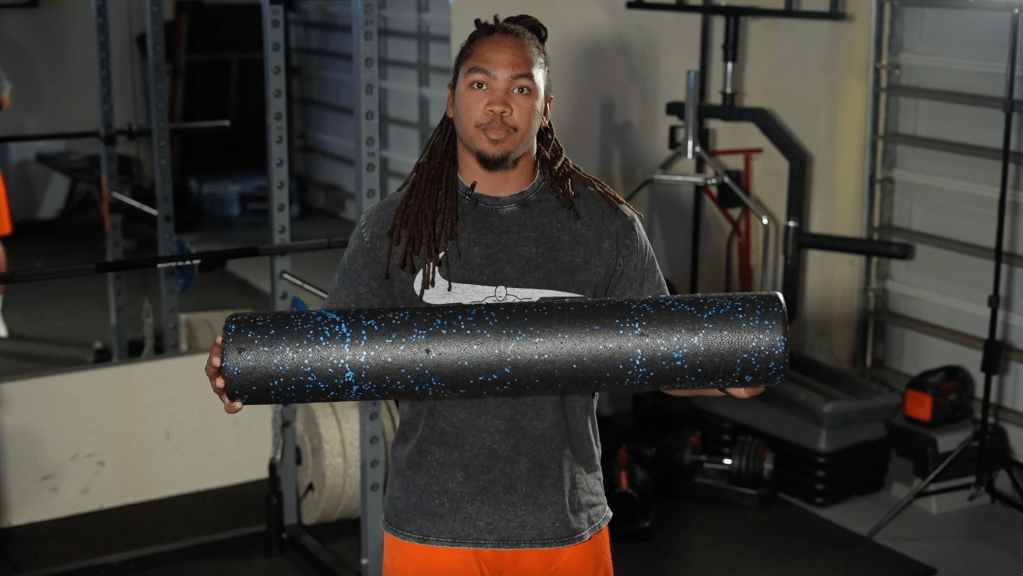
Foam Roller Technique
This is a beginner-friendly option that provides broad pressure across the glutes.
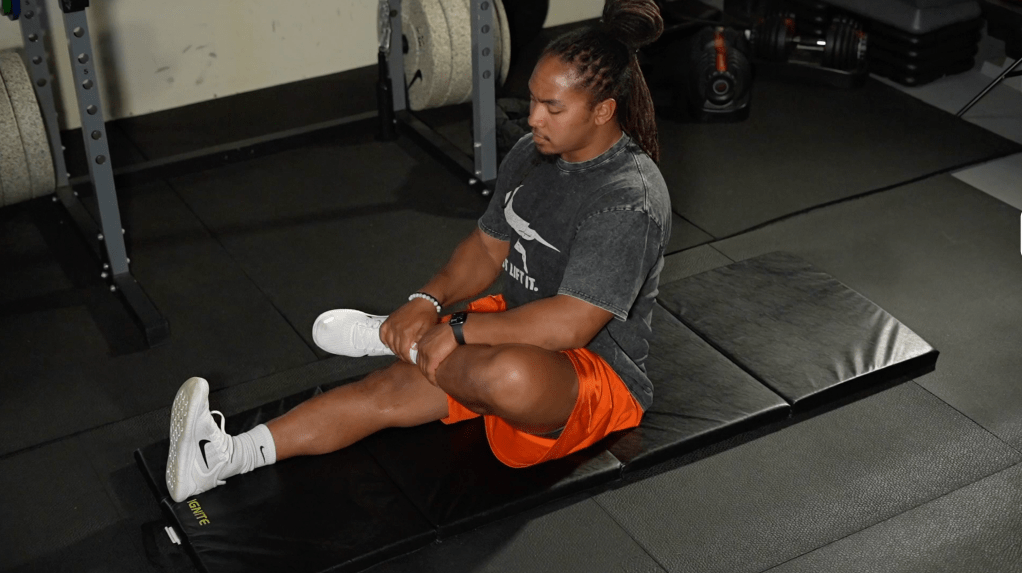
- Sit on the foam roller with both hands on the floor behind you for support.
- Cross your right ankle over your left knee (figure-4 position).
- Grab your right shin with your left hand to stabilize.
- Shift your body weight toward your right glute.
- Slowly roll back and forth, pausing over any tender spots.
Lacrosse Ball Technique
This method offers a deeper, more targeted massage and is great for pinpointing stubborn tight spots.
- Find the most tender spot in your glute.
- Place the lacrosse ball under that spot while seated.
- Support yourself with your hands behind you and one or both feet on the floor.
- Shift your weight toward the side you’re working on.
- Slowly roll back and forth or make small circles over the tight area.
Benefits of Releasing the Piriformis
Working on your piriformis regularly offers several key benefits:
- Reduced lower back pain (by relieving pressure on the sciatic nerve)
- Improved hip mobility and flexibility
- Better posture and pelvic alignment
- Enhanced internal hip rotation range of motion (ROM)
- Relief of tightness in hamstrings and glutes
When the piriformis is relaxed and healthy, your hips move more freely, your glutes engage more efficiently, and your overall athletic performance improves.
Ready to Unlock Your Hips?
The piriformis is just one part of the bigger picture when it comes to unlocking your hips and eliminating lower back pain. If you’re ready to take the next step in your mobility journey, Uno’s Fitness can help.
We offer personalized training, movement assessments, and hands-on strategies to help you move better, feel stronger, and live pain-free.
Visit UnosFitness.com to schedule your free consultation today and start unlocking your full potential.
Stay tuned for more videos and articles on hip health, mobility exercises, and functional fitness tips—all designed to help you move better and train smarter.





Leave a comment