
In our last article, we focused on releasing tightness in the piriformis muscle—a deep glute muscle that plays a critical role in hip mobility and lower back health. Today, we’re continuing that momentum by diving into an essential yet often overlooked concept in movement mechanics: pelvic tilt control.
Your pelvis is the foundation of movement for your entire lower body. It acts as a central hub, connecting your core, back, glutes, hamstrings, quads, and hip flexors. These muscles work together to stabilize and move the pelvis, allowing you to shift forward, backward, and side to side with balance and power.
When there’s an imbalance in any of these muscle groups, it can lead to:
- Chronic lower back pain
- Poor posture
- Reduced hip mobility
- Compromised athletic performance
- Increased risk of injury
Let’s break down four powerful bodyweight exercises that strengthen the muscles surrounding the pelvis, improve pelvic control, and help you move better and pain-free.
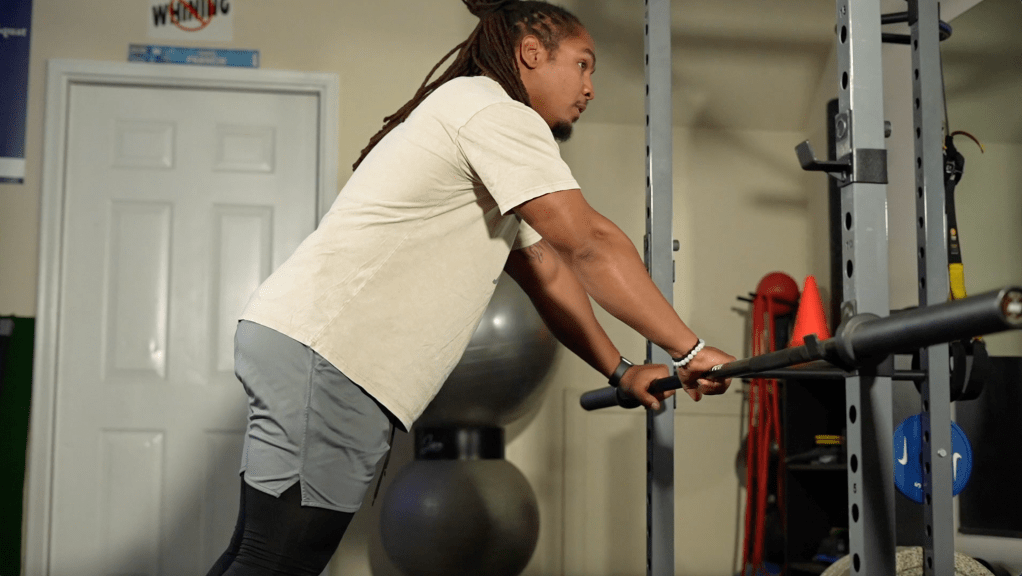
Lying Leg Raises
Target: Lower abs, hip flexors, hamstrings
How to Perform
- Lie flat on your back with knees bent and feet flat on the floor.
- Extend one leg fully, keeping your quad tight and your knee locked out.
- Press your lower back into the floor to maintain core stability.
- Raise the straight leg up as high as possible without bending the knee or arching the lower back.
- Lower the leg back down with control. Do 10 reps.
Benefits
- Strengthens hip flexors and lower abs
- Improves active hamstring flexibility
- Builds core control for pelvic alignment
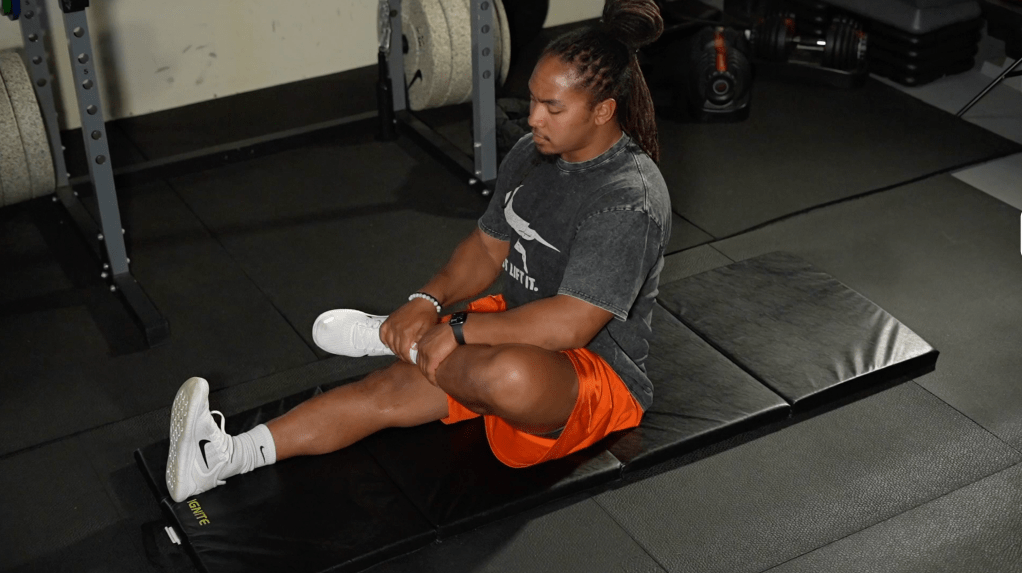
Seated Leg Raises
Target: Hip flexors, lower abs, postural muscles
How to Perform
- Sit upright on the floor with your legs fully extended in front of you.
- Keep your chest up and spine neutral—no slouching.
- Squeeze the quad of your right leg and raise it as high as possible without rounding your back.
- Hold briefly, then lower and repeat. Do 10 reps per leg.
Benefits
- Strengthens hip flexors and abs
- Promotes hamstring flexibility
- Improves posture and spinal control
Glute Walks
Target: Glutes, core, hamstrings, posture
How to Perform
- Sit on the ground with legs extended straight.
- Sit tall with a flat back and chest up.
- Contract your right quad and lift the leg slightly while shifting your right hip forward.
- Place the leg down and repeat with the left leg, “walking” forward 10 steps.
- Then reverse, walking backward 10 steps using the same method. Perform 2-3 sets of forward and backward walks.
Benefits
- Strengthens hip flexors and core
- Activates glutes and improves spinal posture
- Enhances hip stability and mobility
- Eases lower back tightness
- Promotes injury prevention
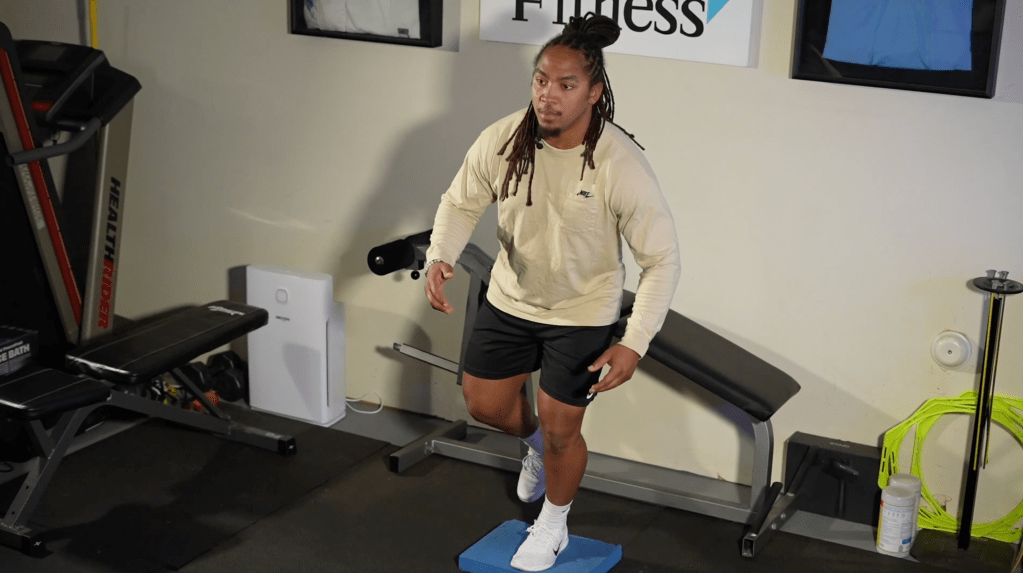
Standing Hip Dips
Target: Glutes, obliques, quadratus lumborum (QL), and stabilizers
How to Perform
- Stand tall on a step or stair, with the inside of your right foot near the edge.
- Keep your right leg straight and stable, while your left foot hovers off the edge.
- Without bending the knee, drop your left hip downward (lowering your left foot).
- Then lift your left hip upward, elevating the foot above the right side.
- Movement should come only from the hips, not the knees. Do 10 reps per side.
Benefits
- Improves hip stability and pelvic control
- Strengthens obliques and QL muscles
- Enhances balance and coordination
- Relieves lower back tightness
Why Pelvic Control Matters
Your pelvis is more than just a bridge between your spine and legs—it’s the anchor point for every stride, squat, and movement you make.
When the muscles around your pelvis are balanced and strong:
- Your posture improves
- Your hips move with control and freedom
- Your risk of injury drops
- And your athletic performance increases
At Uno’s Fitness, we believe that mastering movement mechanics is the first step toward unlocking your full potential—whether you’re trying to move pain-free, lift heavier, or play at a higher level.
Ready to Take the Next Step?
If you’re struggling with hip mobility, lower back tightness, or simply want to build a stronger foundation for performance, let us help.
Visit UnosFitness.com today and book your free consultation. We’ll assess your movement, identify imbalances, and create a custom plan that fits your goals and lifestyle.




Leave a comment