
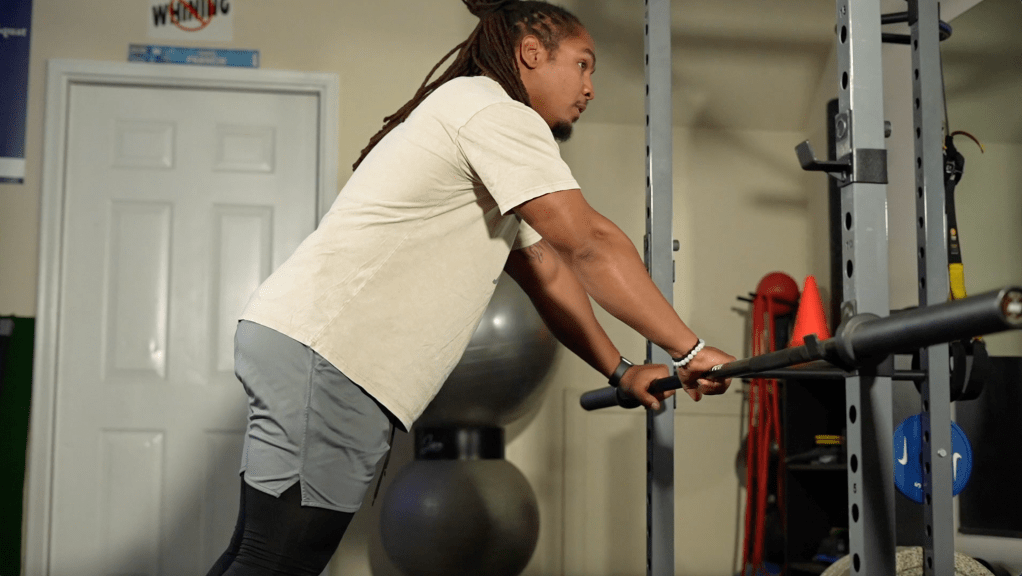
Speed is not all about genetics. It’s also about biomechanics.
Practicing good running form leads to clean, efficient forward motion and reduces your risk of injury.
Small adjustments can lead to a faster running speed.
Mechanics of Running
Correct sprinting mechanics are crucial for converting strength and effort into maximum speed while minimizing injury risk.
Proper posture, stacked hips, and ground contact under the center of mass minimize braking forces and wasted motion, resulting in a faster stride frequency and shorter ground-contact times.
Efficient form also distributes stress/force evenly across muscles and joints, protecting the hamstrings, knees, and ankles from common sprint-related injuries.
Strong mechanics amplify every aspect of training, making them a crucial foundation for speed development.
- Head: The head should be neutral and in line with the spine.
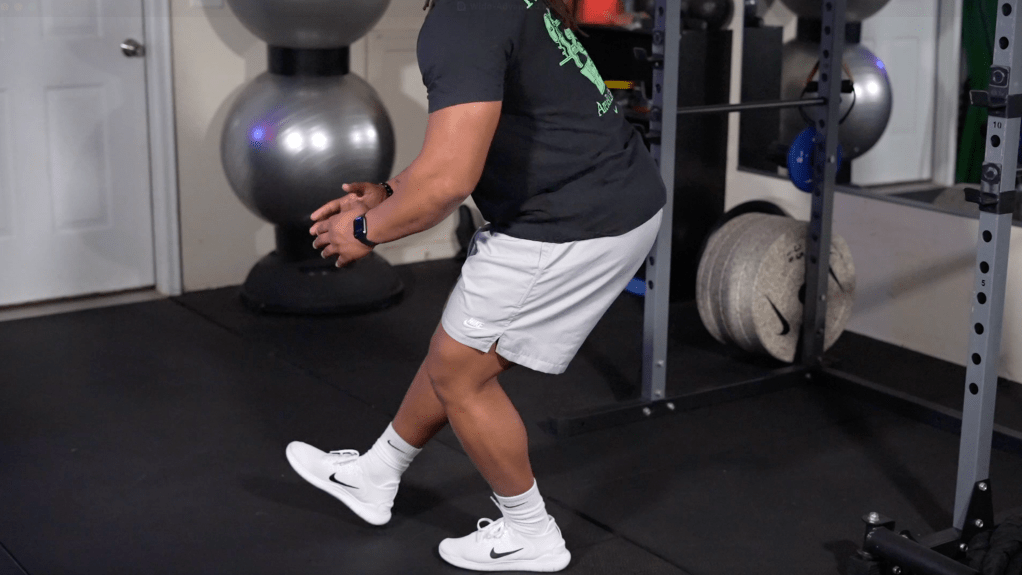
- Shoulders & Arms: Ear to Pocket! With your elbows bent at 90°, swing one hand forward to your ear and the other hand back to your pocket. Avoid crossing the midline by driving the elbows back and keeping the hands vertical when coming forward.
- Torso: Brace your core to prevent excessive arch in your lumbar spine. Stack your ribs over your pelvis.
- Hips: Bring the thigh roughly parallel by using hip flexion. The knee, being hip height, is what connects force and stride length.
- Legs: Kicking your heel high behind you creates longer ground contact, slowing you down. Keep the heel recovery tight to transition quickly in your cycle. Ensure the ankle is dorsiflexed during the swing.
- Foot: The strike on the ground should be between the mid-to-ball of the foot. Contact with the ground should be quiet and under the hips. Don’t land too far in front; that slows you down.
Need help?
Are you an athlete looking to improve your speed? Or someone who just wants to focus on correct running mechanics to stay healthy. Uno’s Fitness can help. Reach out to us today for a free consultation!






Leave a comment