As you are beginning your fitness journey, you want to mix up your workouts so you are working all of your muscle groups.
Doing different workouts ensures you’re not overworking any single muscle, but it also helps you stay motivated. If you do the same workout over and over, you may get bored and that makes it harder to stay dedicated to your fitness goals.
We’ve already introduced a basic introductory HIIT workout. If you’re new to fitness, you should start there.
Remember, HIIT stands for high intensity interval training. This means you have short bursts of intense exercises, then you follow it with a period of rest or a less-intense exercise. This helps you burn calories, improve your cardio fitness, and build strength.
Now, let’s add another workout to this routine. This will build on the exercises you found in the first workout.
Beginner HIIT Workout #2
1. Reverse Lunges
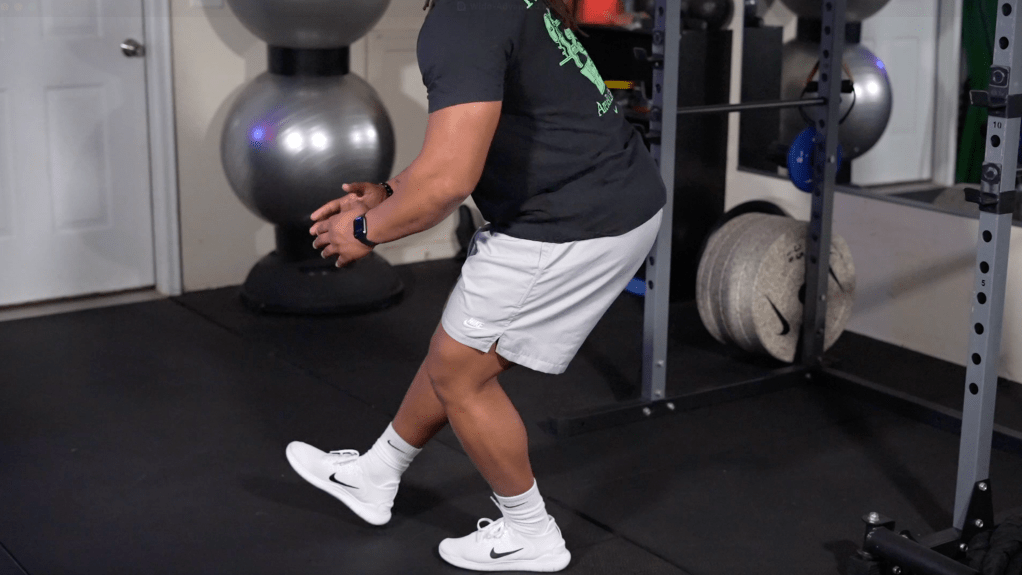
The setup for this exercise is the same as split squats – feet shoulder width apart and in a split stance. One side will drop down as the knee moves towards the ground, then return to the starting position. Bring your feet forward and then alternate to the other side.
Reverse lunges target many of the larger muscles in your legs, including your quads, hamstrings, and glutes. You’ll notice the quads and glutes activating the most, but your core is also involved to help with stability. Improving these muscles helps with daily activities like walking, running, and jumping, but also helps with injury prevention and athletic performance.
2. WYTs
Lay on your stomach. Make the shape of a “W” with your arms and retract your shoulder blades while pushing your hands toward the ceiling. Return to the ground, make the shape of a “Y” with your arms and retract your shoulder blades while pressing your hands to the ceiling. Return to the ground, make the shape of a “T” with your arms and again retract your shoulder blades and press your hands to the ceiling.
WYTs help strengthen the upper back muscles, such as the trapezius, scapular muscles, and deltoids. WYTs can assist with improving posture and stabilizing the scapula, which is the shoulder blade. This can reduce shoulder impingement, help increase mobility, and prevent pain from poor posture.
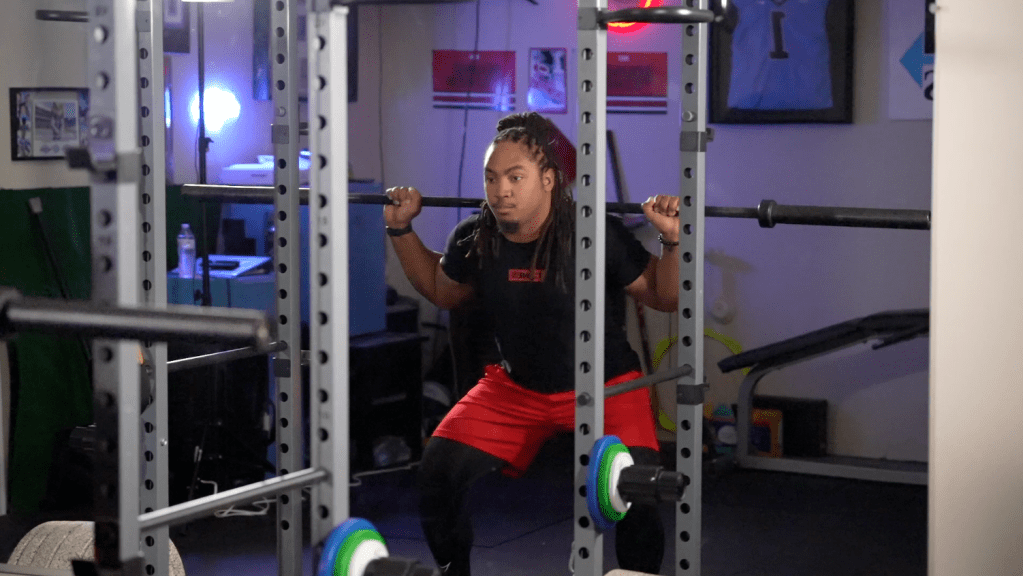
3. Jump Squats
Do a squat and quickly jump up to return to the standing position with your feet together. Then jump back down into the squat position and repeat. Don’t worry about how high you jump. Instead, focus on your quickness. As you jump, bring your feet together to tap.
This exercise works your lower body and it’s ability to handle quick movements supporting your body weight. You’ll notice your quads, hamstrings, glutes, and calves doing a lot of work in this exercise. This exercise helps with overall lower body strength, balance, speed, explosiveness and cardiovascular endurance.
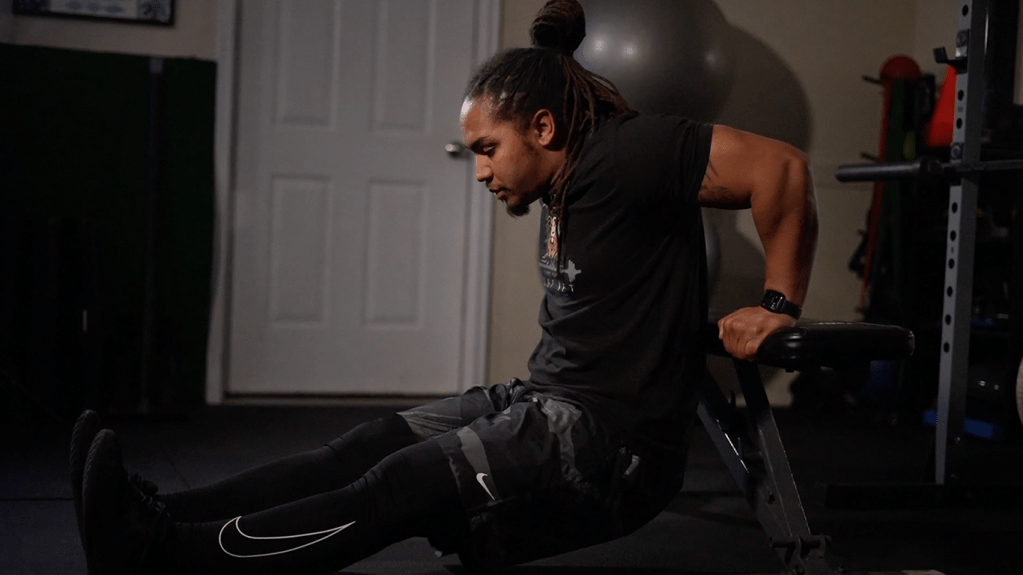
4. Dips
Using your stairs, a couch or chair, or a bench, sit on the edge, place your hands on the edge on either side, then slide your butt off so your arms are supporting you. Bend your elbows so you move down towards the ground. Then press back up and repeat. You can use your legs to assist you press up if needed. To make this exercise more difficult, push your legs all the way out and lock your knees out.
Triceps are the primary muscles that dips target, but the chest and shoulders also assist when you press up. While dips can help define the muscles in the arms, it is also helpful for improving functional movements and pressing/pushing strength.
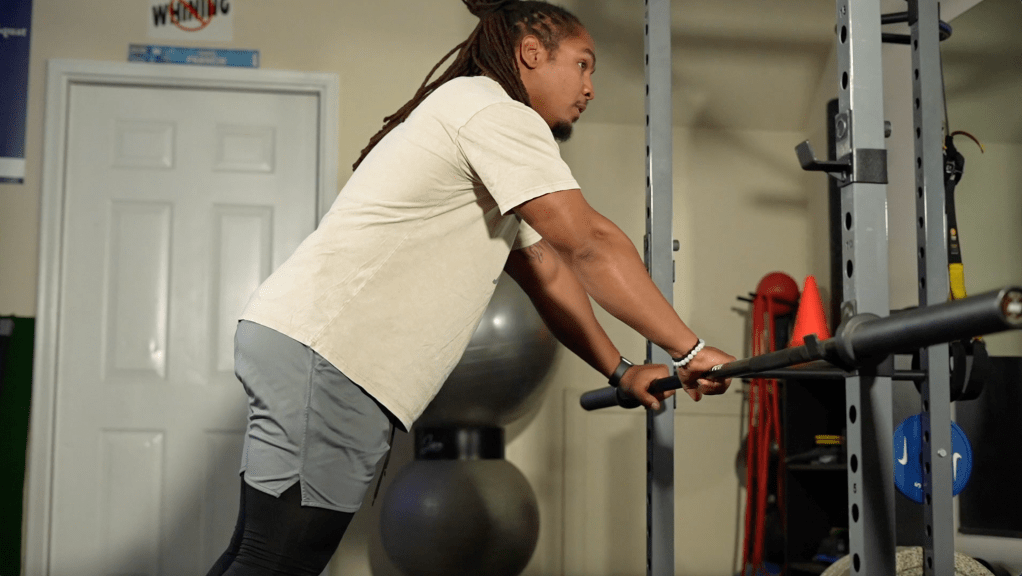
5. High-Plank Shoulder Taps
On the ground, setup in push-up position with your hands directly under your shoulders. Your feet should be a minimum of hip width apart. Keep your hips down and flat so you’re straight from head to heel. Take one hand off the ground and tap the opposite shoulder. Put the hand back down and repeat on the other side. Squeeze your core and keep your hips from twisting and opening up.
While every exercise is a core exercise, high-plank shoulder taps are primarily a core exercise. You’ll notice your abs and obliques working hard in this exercise. Your shoulders and triceps also get some impact from this exercise. Strengthening your core helps with posture and overall stability, which can improve balance and help prevent injuries.
Speaking of Core…
High-Plank Shoulder Taps are great for working your core. It’s very important you work on your core strength. It impacts your ability to do every other exercise, prevents injuries, helps balance, and is critical for many day-to-day activities.
We’ve put together some additional core workouts you can do at home without any equipment. At Uno’s Fitness, we believe your core is so important we end every single workout with a focus on the core.
Important Notes
Don’t forget, this is a HIIT workout, so you should be moving at a decent pace. Try to get through the exercises without stopping, get your heart rate up, and break a sweat!
For Reverse Lunges, aim for 16 reps, or 8 on each side. When you do WYTs, Jump Squats, Dips, and High-Plank Shoulder Taps aim for 10-15 reps. Repeat three times. As you progress, you can add a fourth set or more reps.
If you want to do even more work at home, check out more workouts from Uno’s Fitness. You can also find information about Raleigh area greenways and trails on our website.
Ready to Work?
If you’re ready to take the next step on your health and fitness journey, we’re here to help you. No matter what your fitness level is, Uno’s Fitness can create a customized workout plan with one-on-one coaching with a certified personal trainer.
Contact Uno’s Fitness today to setup your FREE consultation!





Leave a reply to The Many Benefits of Strength Training for Women – Uno's Fitness | Personal Training in Raleigh, Cary, NC Cancel reply