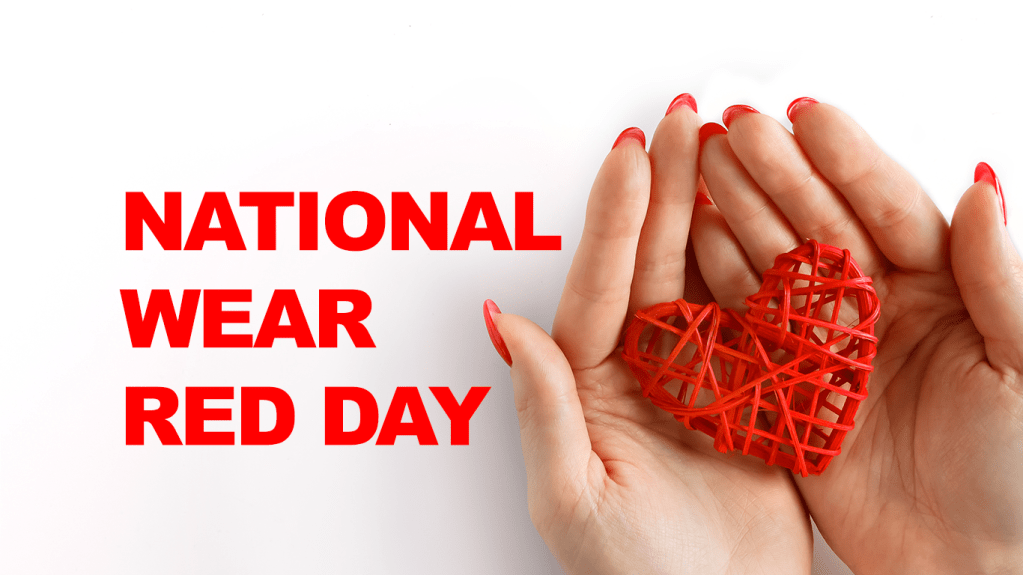
Wear Red Day is held on the first Friday in February. It’s a day where the entire country raises awareness of cardiovascular disease, the No. 1 killer of women in the United States.
As you wear red, make sure you’re taking time to understand the risks of cardiovascular disease and ways you can lower your risk.
Cardiovascular disease is often preventable. Simple changes to your lifestyle can lead to improvements in your cardiovascular health.
Ways to Prevent Cardiovascular Disease
Here are some things you can focus on to lower your risk of cardiovascular disease:
Exercise Daily
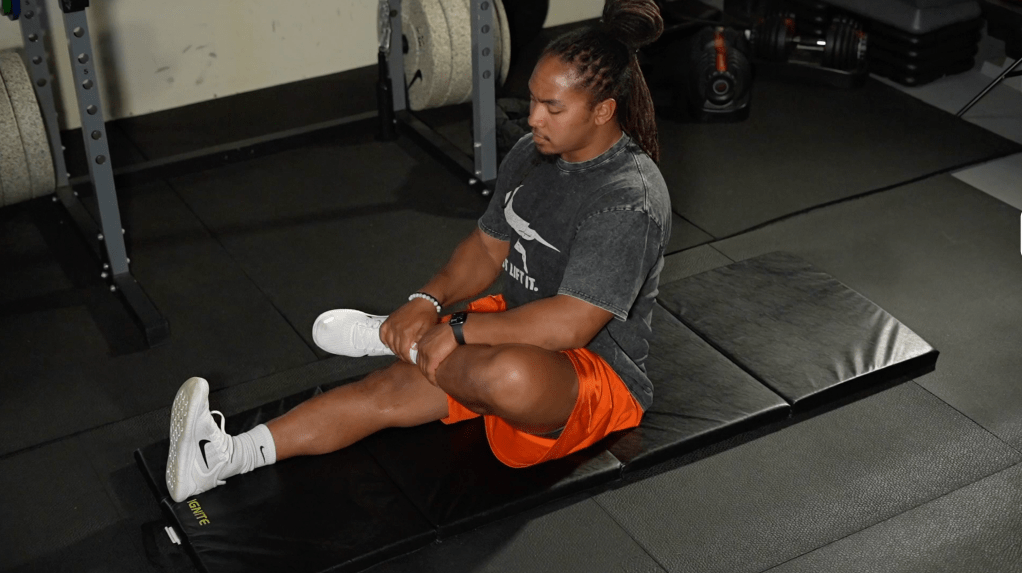
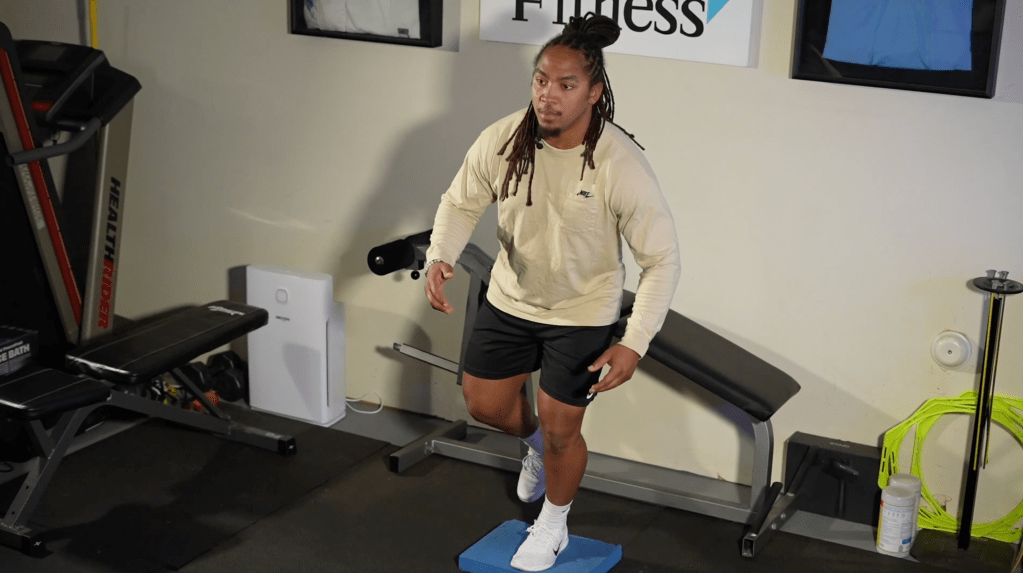
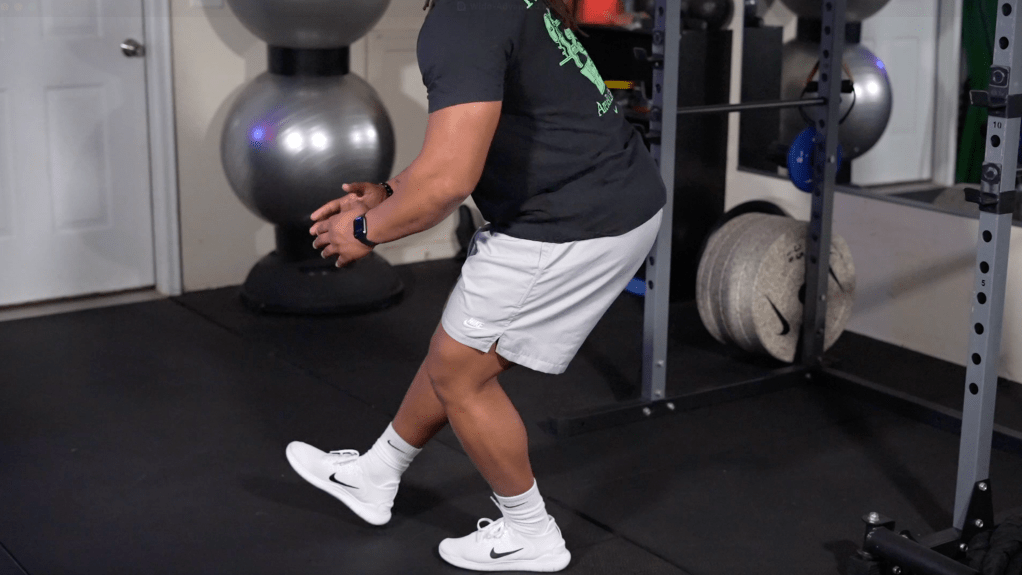
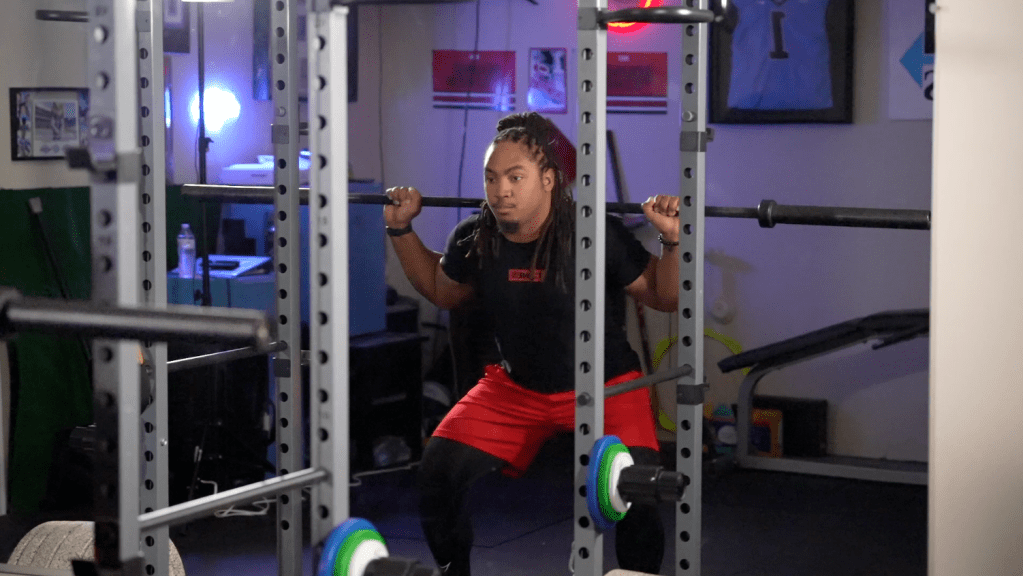
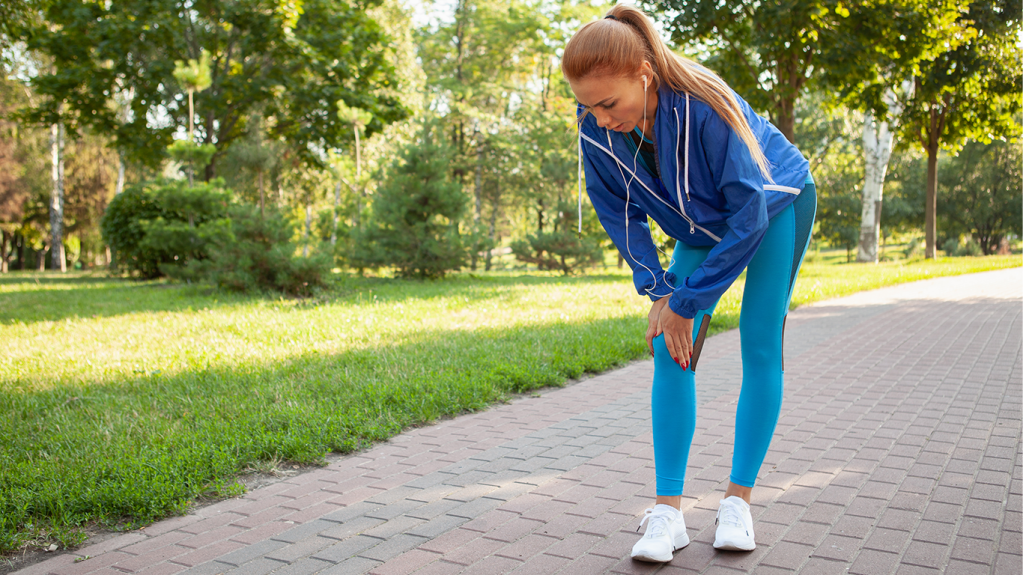
Each day, you should aim to do some sort of exercise that elevates your heart rate. There are multiple ways to do this, including traditional cardio workouts like walking, running, biking, or using machines like the elliptical or treadmill.
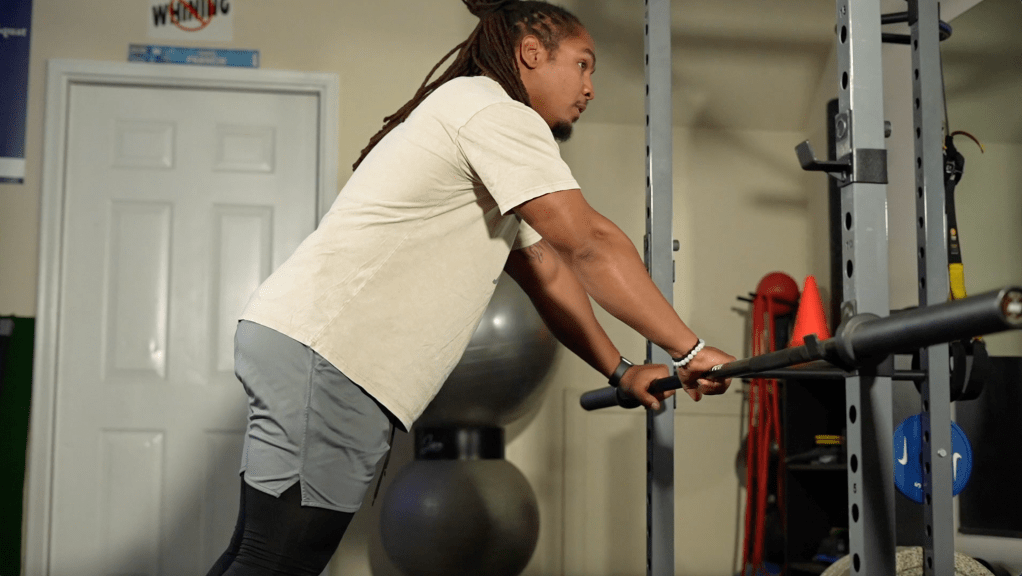
There are other options though, and one of our favorites is High Intensity Interval Training, or HIIT.
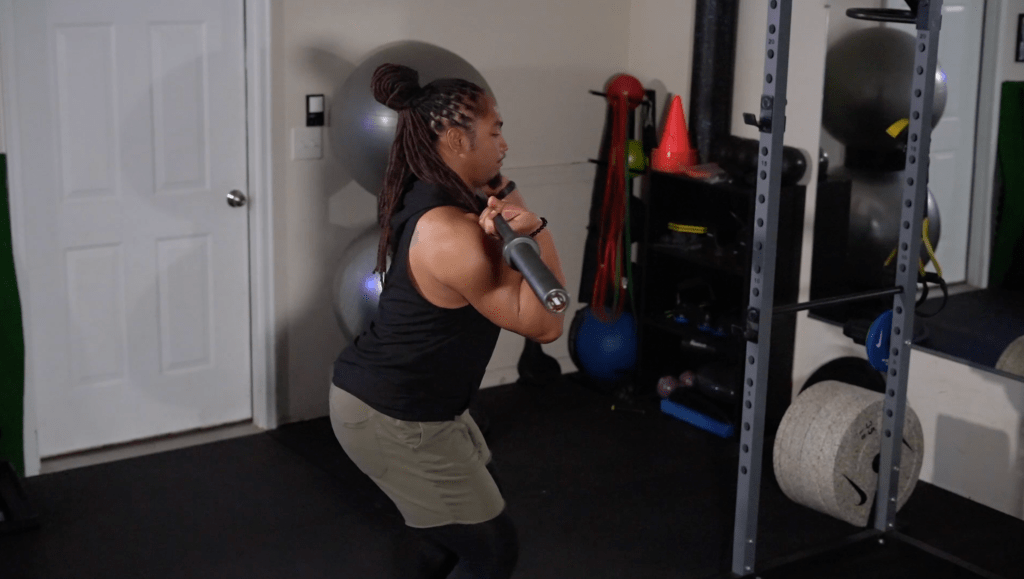
HIIT is a strength training workout performed at a fast pace. You give quick bursts of intense effort, followed by periods of low intensity exercises or rest. This means you are doing a few different exercises back-to-back without rest in between. HIIT workouts come with the added benefit of building muscle, something you don’t get from running or walking. Adding muscle mass helps with other things that benefit your heart health, like burning body fat.
Eat a Balanced Diet
To lower your risk of heart disease, you should limit your intake of processed foods, as well as foods that are high in sodium, sugar, and saturated fat.
That doesn’t mean you can’t have anything that is “bad” for you, it just means you need to eat a balanced diet. Eat a lot of whole foods, vegetables, fruits, and lean meats. Eating a cleaner, healthier diet can lower your risk of heart disease.
Maintain a Healthy Body Weight
If you take action on the first two items – exercise daily and eat a balanced diet – maintaining a healthy body weight will come as a result.
A healthy diet and exercise will allow you to reach an optimal body weight, which will ease the workload for your heart. Exercise will lead to a stronger heart, and a healthy diet will lead to weight loss and better blood circulation.
Take Action Now!
There are several types of heart disease, and the symptoms of heart disease can vary.
You’re probably aware of chest pain and shortness of breath being symptoms of a heart attack, or dizziness and confusion being symptoms of a stroke. But there are other things to look for.
Fluttering in the chest, lightheadedness, high or low blood pressure, a slow or rapid heartbeat, swelling in the extremities or around the eyes, skin discoloration, and fatigue are also symptoms of various heart diseases.
If you or someone you know is showing early signs of cardiovascular disease, you should make an appointment with your doctor or a cardiologist. They will be able to identify any underlying conditions and help you treat them.
If your doctor says exercise and nutrition are something you should work on, reach out to Uno’s Fitness to set up your free consultation. In conjunction with your doctor’s instructions, we will create a custom fitness plan for you. And while personal trainers are not nutritionists, we can help get you started making healthy decisions.
Uno’s Fitness can also help you establish healthy practices to lower your risk of heart disease, even if you are not experiencing any cardiovascular symptoms. Reach out to us and let’s talk about your health and fitness goals.





Leave a Reply