
The oblique muscles are an often overlooked part of your core. These muscles don’t make up the “six pack” many people picture when they think of core strength, but they are crucial for strength, your body’s ability to move, and for stability.
Obliques, like the other muscles that make up your core, help make your daily activities easier, they prevent injuries, and they help with posture and athletic performance.
Your obliques are located on the side of your abdomen and they run diagonally. They are divided into two types: the external obliques, which are closer to the surface of the skin, and the internal obliques, which are under the external obliques, deeper in the body.
Your obliques help with bending sideways, twisting movements, they support your balance and posture, and they aid in breathing. For athletes, obliques can help with motions like swinging a bat or club, or throwing a punch.
Exercises to Improve Oblique Strength
Heel Taps: Lay on your back and bend your knees so the bottoms of your feet are flat on the ground. Put your arms straight out by your side, crunch up and hold, then swivel back and forth trying to touch your heels with your hands. Don’t crunch up to touch the heels, swivel from side to side instead.
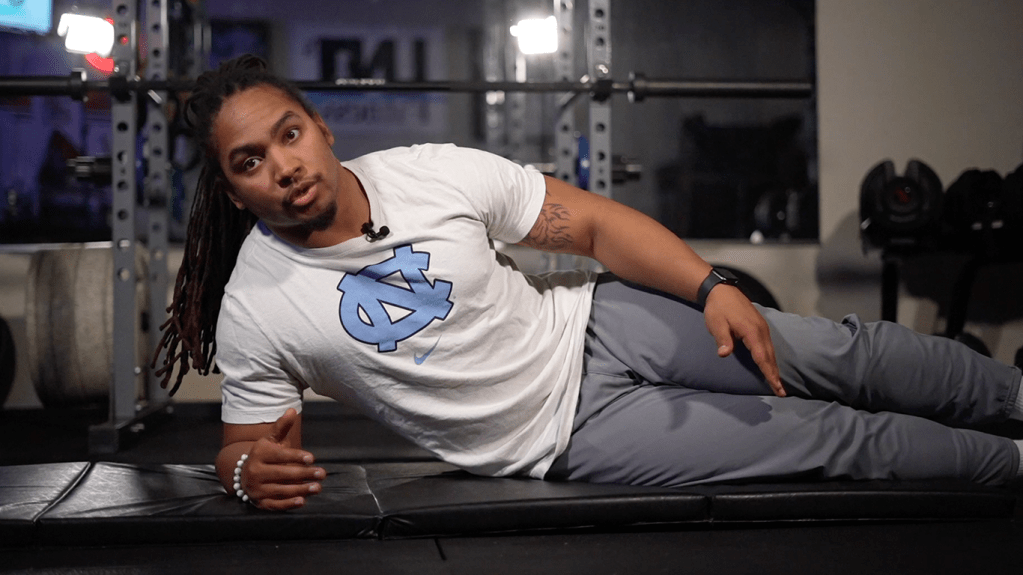
Side Planks: Lay on your side. Make sure your heels and ankles are stacked on top of each other, and be sure your shoulder is directly over the elbow that is on the ground. Lift straight up, push the hips forward, and hold.
Side Planks with Hip Dip: Follow the same instructions with the side planks. When you lift up, touch your hip to the ground and lift back up. Repeat. If you need to modify this because it’s too difficult, place your bottom knee on the ground to help support your body weight.
Planks with Hip Dip: Setup in a normal plank position with your shoulders directly over elbows in tabletop position. Extend your legs so your knees are off the ground. Make sure you keep your butt down and squeeze your core. Now swivel back and forth from side to side.
Oblique Crunches: Lay on your side with your ankles and knees stacked. Roll to your back so your shoulder blades are on the ground. Put your hands behind your head or across your chest and perform a crunch. Make sure you are crunching straight up vertically, but towards the hip.
Are Your Obliques Weak?
The obliques are important for many reasons. They promote proper alignment of the spine to reduce strain on your lower back, they help keep you balanced and mobile, they assist with functions in sports, and they make your posture better.
If you have weak obliques, you will want to address it. Even simple tasks like carrying groceries or getting out of bed engages your oblique muscles.
Here are signs you may have weak oblique muscles:
- Back pain: Low back pain could be a sign of weak obliques. If those muscles aren’t strong enough, it will cause muscle instability and other muscles will have to overcompensate, causing pain and stiffness in the lower back.
- Poor posture: Slouching or the inability to keep your torso upright for an extended period of time could be a sign of weak obliques.
- Limited mobility: If you’re not able to twist or rotate as far as you’d like to, or if those motions cause pain or tightness, your obliques may need some work.
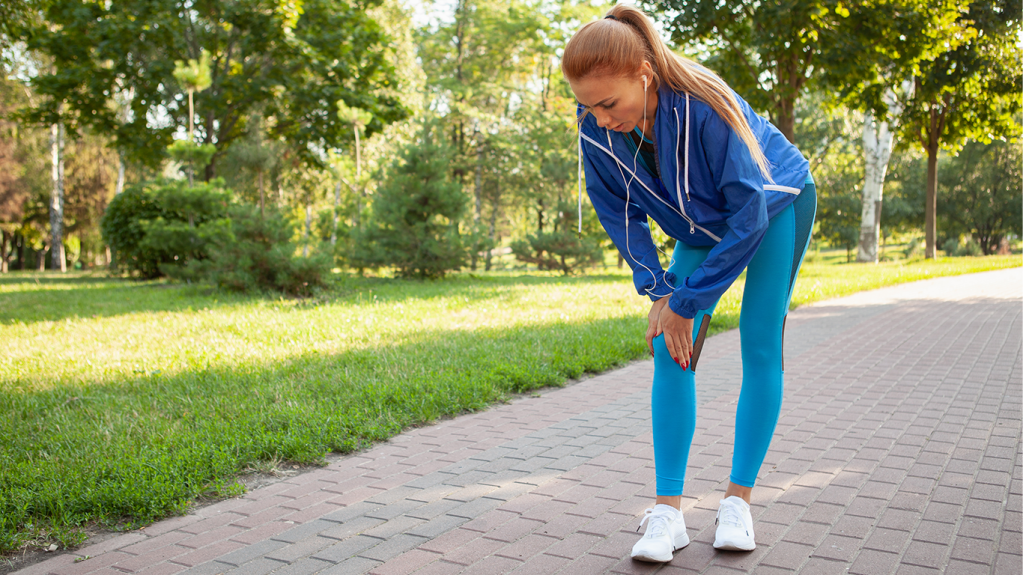
- Hip and knee pain: Weak obliques cause other muscles to work differently, which can change the mechanics of how you walk or run. This can put stress on joins like the knee and hip, causing pain.
Need Help?
At Uno’s Fitness we believe core is so important to your overall health and fitness journey that we end every single workout with core exercises.
If you’d like us to help you strengthen your core, reach out to us and set up a free consultation. We’ll help identify weaknesses and create a plan to address them.





Leave a Reply