Barbell rows are a foundational exercise for increasing back strength. This exercise also improves posture and strength from pulling.
When performing barbell rows, you activate the muscles in the mid- and upper-back area. These include the latissimus dorsi (or the lats), the rhomboids and trapezius muscle (in the mid- and upper back), and the posterior deltoids (the back of the shoulder).
Working these muscles means you will increase your ability to pull weight and stabilize your shoulder blades.
Barbell rows also work other muscles, such as the biceps, the forearms, the lower back, and the core muscles.
Proper Barbell Row Technique
It’s important you have good technique when performing barbell rows. The exercise is done in a bent-over position, hinging from the hips, so poor form can lead to injury. A certified personal trainer can help prevent that though.
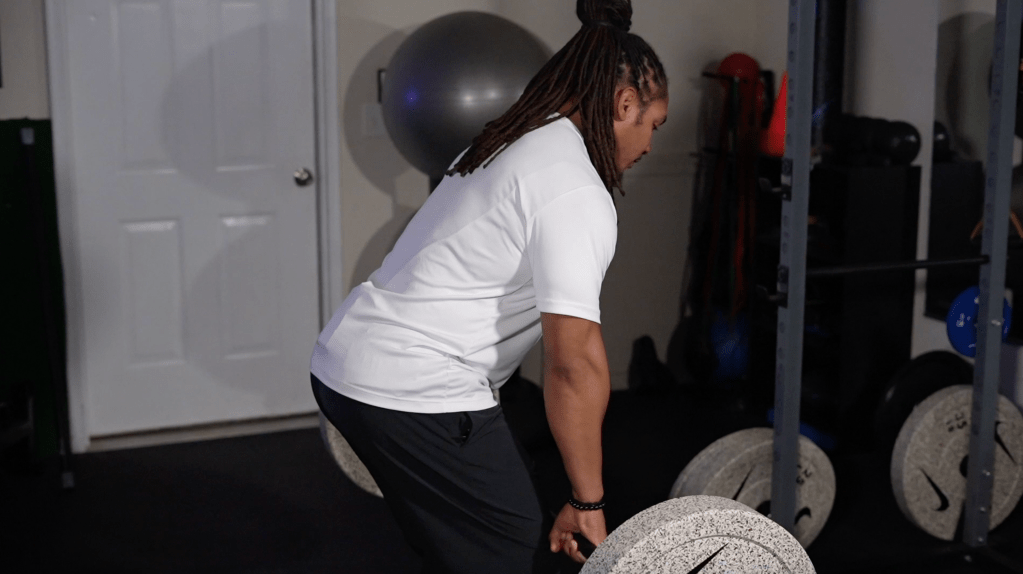
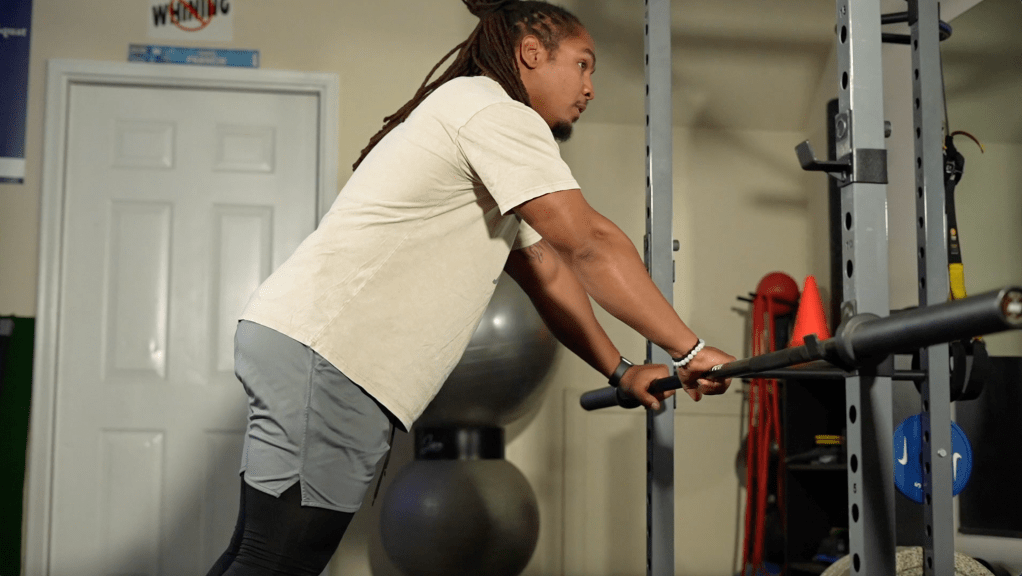
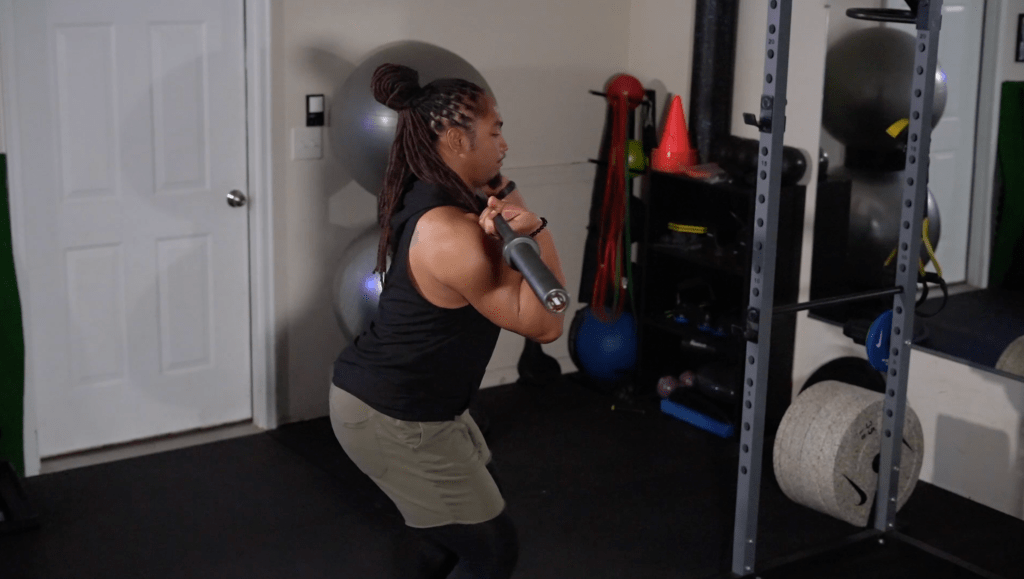
When setting up to do a barbell row, stand with your feet shoulder-width apart and grip the bar with your hands slightly wider than shoulder-width. Slightly bend your knees and hinge forward at your hips, but keep your back straight and your chest up to limit the strain on your lower back. Make sure your core is engaged.
With your arms fully extended, the bar should be close to your knees. Pull the bar towards your abdomen and keep your elbows close to your body as you move the bar in. Squeeze the shoulder blades at the top of the movement.
As you lower the bar back down towards your knees, maintain control of the bar and keep the core engaged. Don’t let your back round, keep it straight and your chest out.
Tips for Prevent Injuries During Barbell Rows
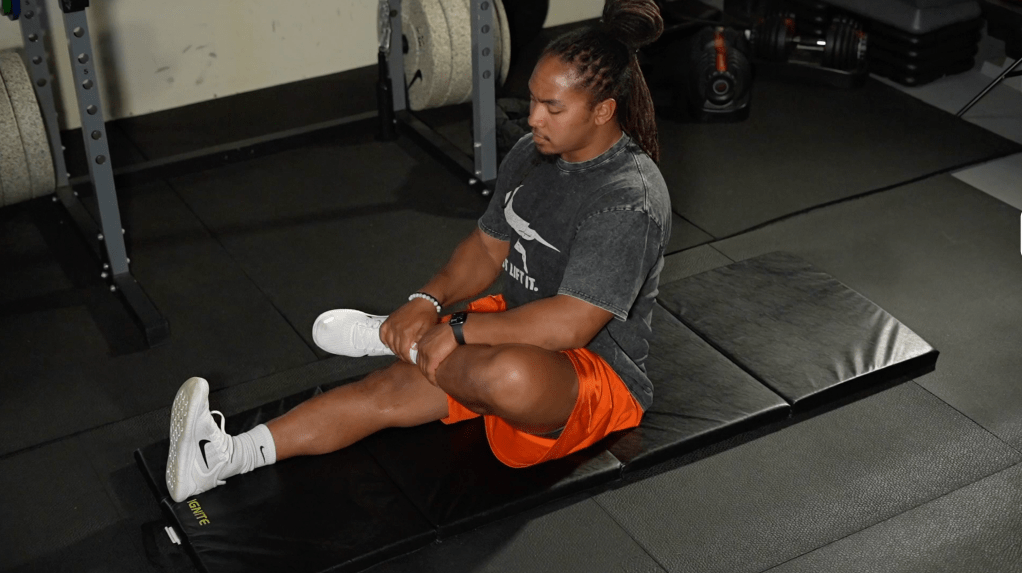
As with all exercises, it is important to warm up before doing barbell rows. At Uno’s Fitness, all of our clients go through a dynamic warm-up before each workout to help prevent injuries.
When performing barbell rows, focus more on your form than on lifting heavy weights. Don’t arch your back or round your back, you want to keep a neutral spine. Strengthening your core muscles can help with this. It’s also important to hinge from the hips and not bend over to prevent strain on the lower back.
As you go through the movement of a barbell row, engage your lats and perform the exercise in a smooth fashion. Don’t pull the bar too high towards the chest, as this reduces the engagement of the lats and puts extra strain on your arms. When you lower the bar, make sure you’re controlling the weight so you don’t strain your lower back.
How a Personal Trainer Can Help You
A personal trainer can help introduce you to rows or help you identify ways to get more out of the exercise that you’re already doing.
Personal trainers will introduce variations of rows based on your ability and goals. Variations could include different grips, dumbbell rows, and chest-supported rows, among others.
A personal trainer will also ensure you’re safely increasing weight, maintaining proper form and technique, and helping strengthen supporting muscles.
Reach out Uno’s Fitness today to set up a free consultation and we will help you reach your health and fitness goals.





Leave a Reply