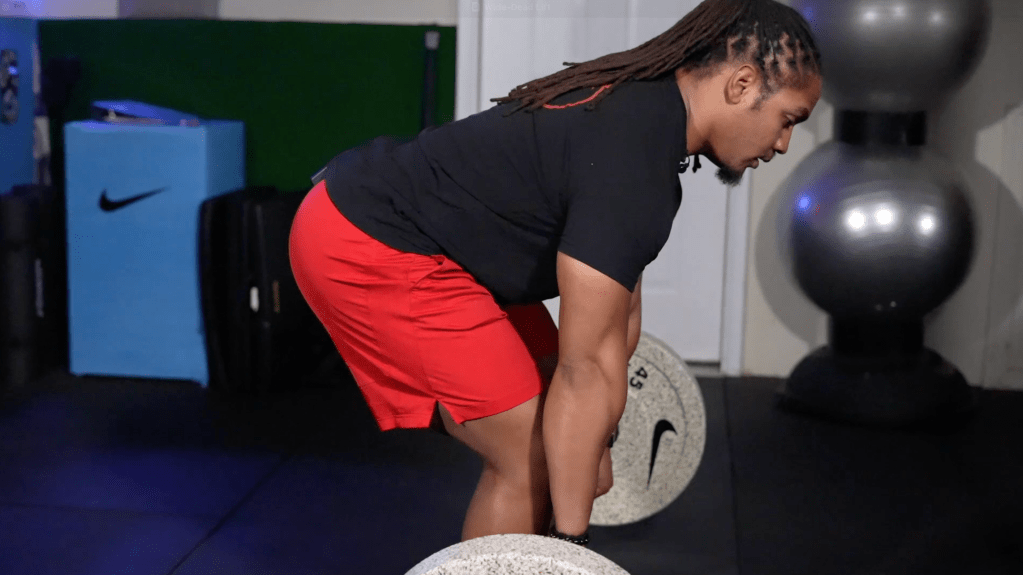
Along with bench presses and squats, deadlifts are one of the three main barbell movements. It involves lifting weights from the ground to the hip while hinging at the hip.
Deadlifts impact many different muscles in both the lower and upper body. The gluteus maximus, hamstrings, quadriceps, and erector spinae are the main muscles that deadlifts involve, but the trapezius, latissimus dorsi, forearms and grip muscles, and the core are also involved.
There are many benefits from doing deadlifts, but you have to be careful to follow proper techniques to prevent injury. This is something a certified personal trainer can help you with.
How to do deadlifts
If you have never done deadlifts before, make sure you’re starting with a light amount of weight. It’s a good idea to get guidance from someone knowledgeable in weightlifting, such as a certified personal trainer.
- Stand with your feet approximately hip-width apart. The barbell should be over your mid-foot area, allowing you to hinge at the hips, bend the knees, and grip the bar on the outside of the knee.
- Throughout the movement, keep a neutral spine position and your chest up. Your butt should be slightly lower than your shoulders. Make sure your core and your lats are engaged.
- Keeping the bar against the body as you lift, push away from the floor by driving through your heels. Extend the hips and knees in one motion as you stand tall.
- Do not overextend your hips or shoulders, but they should be stacked at the top of the movement.
- To return the bar to the floor, reverse the movement by pushing the hips back, then bending at the knees.
There are various forms of deadlifts.
Deadlifting tips to prevent injury
The technique is critical when performing deadlifts. Proper form and technique will help you safely perform the movement so that you get the expected benefits without any injuries.
Make sure you keep your back flat and not rounded. This increases the risk of a spinal injury. If you find yourself rounding your back, try reducing the weight. Failure to brace your core could also lead to the rounding of your back. Keep your chest out, back flat, and core engaged.
Your back could also be put in a vulnerable position if you have the bar too far away from your body. Keep the barbell against your body as you move up and down so your lower back doesn’t feel excessive strain.
When you get to the top of the lift, don’t overextend by leaning too far back. This could also place additional stress on your lower back.
Other issues with your form that you should monitor include your hips shooting up too fast, which reduces the involvement of your glutes and quads and places more stress on your lower back. You should also focus on smoothly performing the movement and avoid jerking the bar off the floor, which leads to poor form and increases the chance of injury.
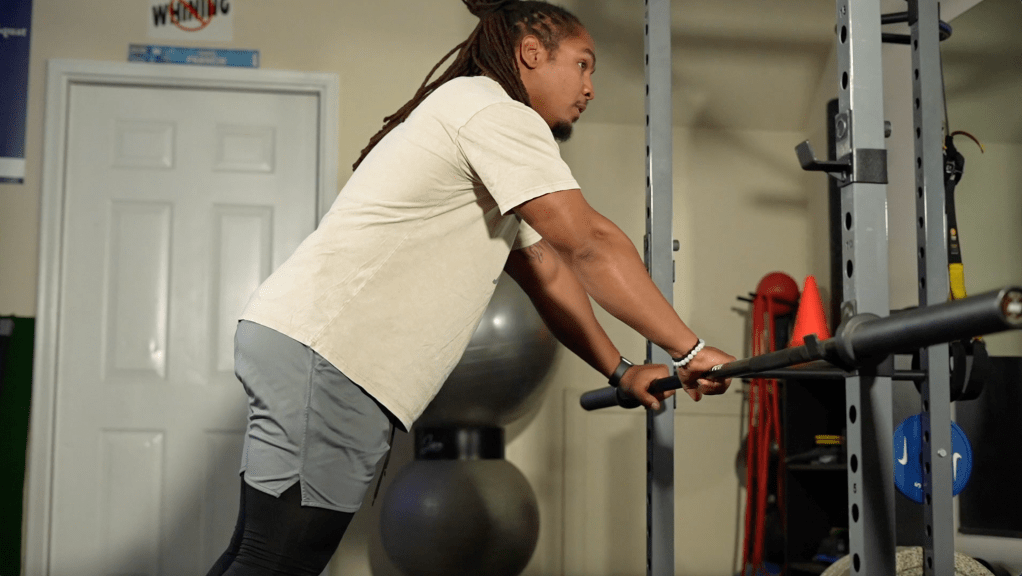
If you work with a certified personal trainer, they can help safely introduce this exercise. For example, someone who is new to deadlifting may begin practicing the hip hinge without any weight first.
Why deadlifts are beneficial
Performing deadlifts can help with many day-to-day activities and movements.
Basic functions like posture, balance, and coordination see benefits from deadlifting. Strengthening the muscles that stabilize the spine can help reduce back pain.
Deadlifting helps people lift objects in daily life, such as moving furniture, picking up kids, or even carrying groceries. The movement also benefits athletes who are running, jumping, or need to use explosive power.
For everyone, deadlifting helps build functional core strength and can help increase bone density, especially for older adults, by loading the spine and hips with weight.
Need help?
No matter where you are in your fitness journey, Uno’s Fitness can help you. If you’re interested in safely incorporating deadlifts into your fitness routine, contact us today to set up a free consultation.






Leave a Reply