You may have done a deadlift with the barbell before, but have you done a Romanian deadlift?
Like a traditional deadlift, Romanian deadlifts, or RDLs for short, involve a hip-hinge movement while supporting the weight. However there are several differences as RDLs are more hamstring and glute-focused, while traditional deadlifts involve the full body.
While the hamstrings and glutes are the primary focus for RDLs, several other muscles are involved in the movement. The erector spinae, lats, upper back, core, and forearms, which are used for grip strength, are all required to execute RDLs.
How to perform an RDL
This article and video focus on RDLs using the barbell; however, RDLs can also be done as pure bodyweight exercises or with dumbbells, kettlebells, or resistance bands.
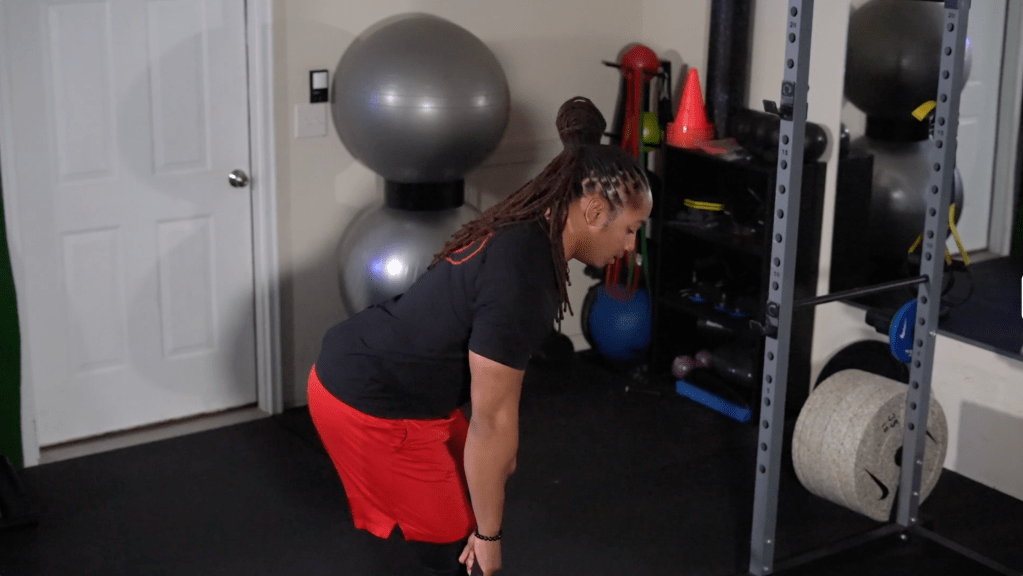
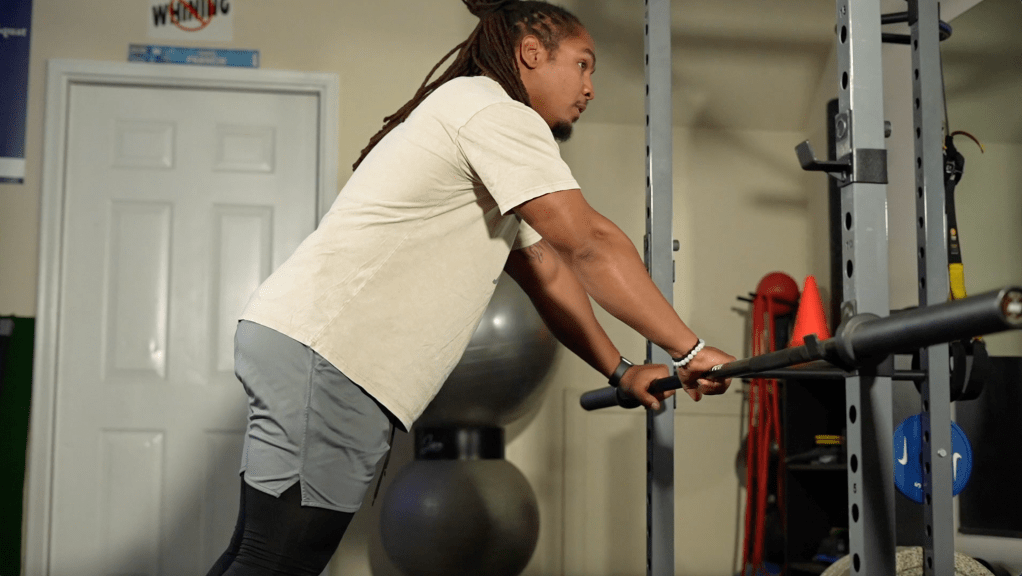
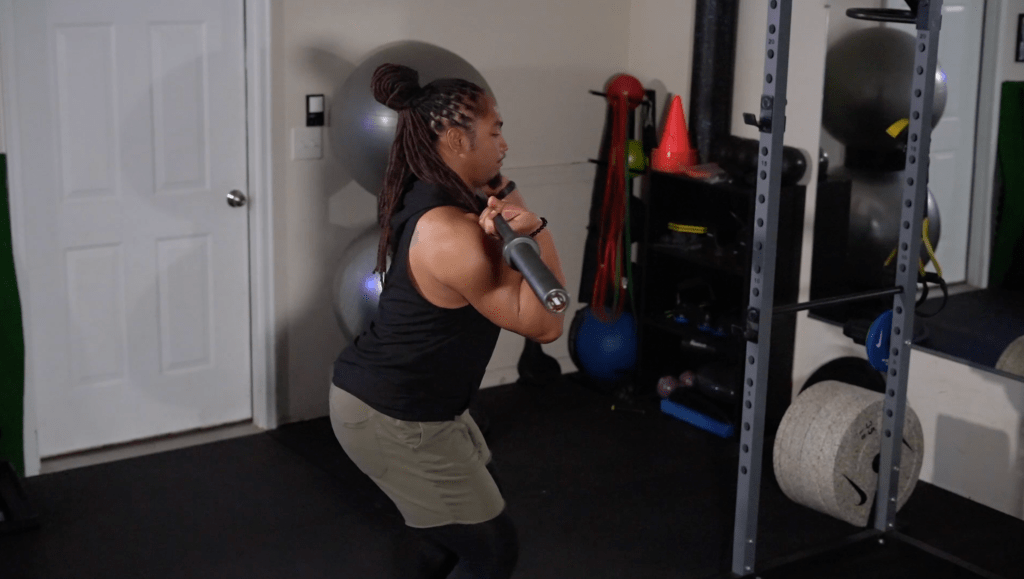
Unlike a traditional deadlift, RDLs start in a standing position. Stand with the feet approximately hip-width apart, holding the barbell with an overhand (or pronated) grip. Slightly bend the knees, engage the core, and pull your shoulders back. At this point, you’re ready to begin the hip hinge by pushing the hips back while keeping the barbell close to your legs.
The barbell should remain as close to the body as possible during this exercise. Lower the bar slowly and under control until you reach the mid-shin area. If you’re a beginner or recovering from an injury, you may not be able to go as low, so stop the downward motion if it becomes difficult to maintain proper form.
Maintain a neutral spine the entire time, keeping the back flat. Once you hit the bottom of the movement, drive your hips forward and return to a standing position. Squeeze the glutes at the top of the movement, but be sure not to overextend your lower back.
How RDLs are different from deadlifts
There are several ways RDLs are different than a traditional deadlift:
- The movement starts from a standing position, as opposed to starting from the floor.
- The bend in the knees is softer during an RDL, while a deadlift requires a knee bend similar to a squat. As a result, there is less knee involvement in an RDL.
- During an RDL, the bar lowers only to the mid-shin area, as opposed to going all the way to the floor.
- RDLs target the hamstrings and glutes, and while those muscles are involved in a deadlift as well, deadlifts are more of a full-body exercise and also target the quads and back.
- RDLs typically place less of a load on the spine compared to deadlifts.
Why RDLs should be part of your workout routine
There are many benefits to adding RDLs to your workout routines, and at Uno’s Fitness, we use RDLs with many of our clients.
RDLs can help make daily tasks easier, especially when lifting and bending. Think about picking up groceries or lifting children, those movements are similar to RDLs and this exercise helps reinforce safe bending and lifting techniques, making the risk of injury smaller when performing daily tasks.
Posture and mobility are also improved from RDLs because the exercise helps with the alignment of the spine and improves flexibility in the hips and hamstrings. These benefits help prevent injuries, such as knee and lower back injuries, and also injuries from falls as you age.
For athletes, RDLs can help increase speed, explosive power from the hips, and vertical jump ability. This is helpful in many sports, including football, basketball, track & field, and hockey.
Things you should know before performing RDLs
While there are many benefits that you can gain from RDLs, you could risk injury if you don’t do them properly. Working out with a certified personal trainer at Uno’s Fitness will help minimize this risk as trainers teach and monitor technique and form.
Improper form and movement can lead to lower back strains, hamstring strains, grip fatigue, or forearm strains. To prevent this, make sure you are keeping your back flat and that you’re not overloading the weight or increasing the weight too quickly. It’s also important that you go through a proper warm-up routine.
Start with a light amount of weight and make sure you have the form down correctly before increasing.
If you have existing injuries or issues with your lower back or hamstrings, you should not do RDLs without the supervision of a professional. Beginners who have no experience with these types of movements should also be very cautious.
Want to add RDLs to your routine?
Before you try this exercise on your own, get the help of a certified personal trainer. Reach out to Uno’s Fitness today and we’ll set up your free consultation to make sure RDLs and other exercises are introduced safely.






Leave a comment